Do you get constipated while on holiday? Here’s how to prevent it from ruining your trip
While travel can increase the risk of constipation, experts say it is preventable with a few simple habits – staying hydrated, eating a high-fibre diet and keeping active throughout your trip.
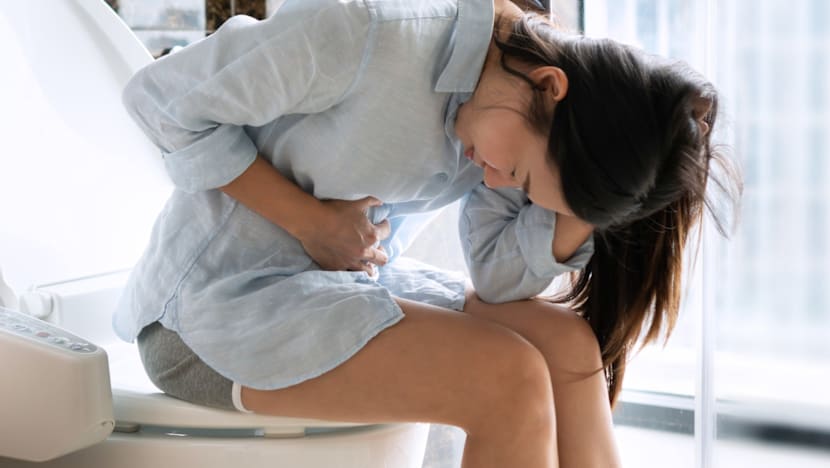
Do you get constipated while on holiday? (Photo: iStock/Pattasirasa Suvichanarakul)

This audio is generated by an AI tool.


Picture this: You're enjoying your long-awaited vacation. The suitcase is unpacked, the street food's been incredible, but something feels off. You haven't gone to the bathroom in days.
You're not alone. "Travel constipation" – a temporary slowing of bowel movements during or after a trip – is surprisingly common.
It's uncomfortable, especially as it often includes a feeling of bloatedness, and can make an otherwise relaxing getaway feel miserable.
Gastroenterologists told CNA Lifestyle that while "travel constipation" – a term often used colloquially – is not formally recognised in medical literatrure, transient constipation associated with travel is a common and well-documented experience.
"'Travel constipation' is something I see very often among travellers," said Dr Sharen Tian, family physician at Raffles Medical at Changi Airport Terminal 3.

"It is not just a casual complaint – medically, this is actually recognised as acute or secondary constipation brought on by environmental or behavioural changes related to travelling."
Dr Chok Aik Yong, medical director at Aelius Surgical Centre at Mount Elizabeth Orchard, explained that "travel constipation" is essentially regular constipation – a medically recognised condition generally defined as having fewer than three bowel movements a week, or experiencing hard stools or straining when passing motion – triggered by specific circumstances of travel.
These triggers include dehydration, dietary changes, disrupted sleep, time-zone shifts and prolonged sitting.
"Your digestion follows a circadian rhythm," said Dr Chok. "When eating and sleeping times shift, your bowel movements can become irregular."
WHY TRAVEL TIES UP YOUR GUT
The experts told CNA Lifestyle that dehydration, disrupted routines and reduced physical activity are among the biggest culprits behind travel constipation.
These triggers can show up as early as during the flight or road trip to your destination.
"Long flights mean prolonged sitting, and that reduces colonic motility," said Dr Tian.
"The dry cabin air also dehydrates you quickly, making stools harder. Jet lag shifts your circadian rhythm – your gut has its own internal clock, and when your meals and sleep times change suddenly, bowel movements become irregular."
Dr Chok described this phenomenon as "gut lag".
The body has a natural circadian rhythm, where the gut has its own internal clock that helps regulate bowel movements. Under normal conditions, the intestines are most active in the morning and less active at night, said Dr Chok.
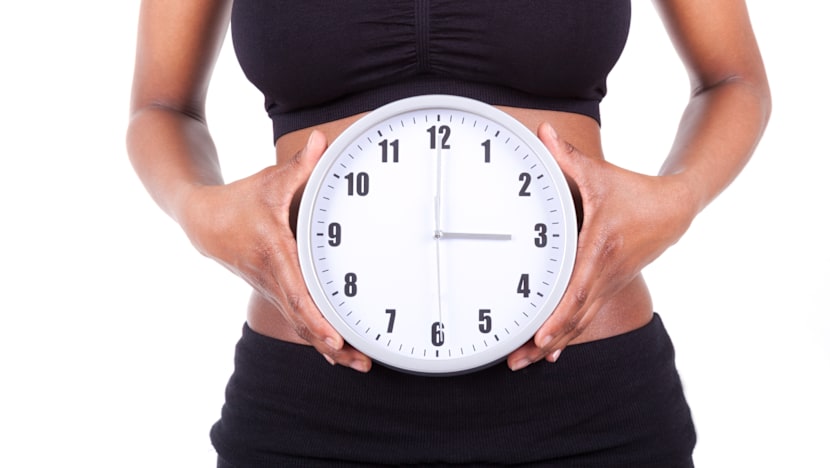
However, when jet lag shifts sleep and eating schedules, this gut clock falls out of sync with the brain's central clock and external cues like light and meal timing, which causes intestinal movement to slow.
"Gut bacteria follow a daily rhythm, too," said Dr Chok. "Irregular sleep and eating schedules can disrupt this pattern, affecting the production of important metabolites … (that) help regulate gut motility."
Dr Bhavesh Doshi, senior consultant gastroenterologist at Gleneagles Hospital's Gastrohealth Clinic, also highlighted several travel-related factors that can affect bowel movements.
For one, dietary changes – such as lower fibre intake and reduced water consumption – are common during travel and are independently linked to an increased risk of constipation.
Alterations in the gut microbiome due to exposure to new environments, foods and water sources can further disrupt bowel function, he added.
Additionally, psychological stress and anxiety, which are frequently experienced during travel, may also affect gut motility.
Agreeing, Dr Chok noted that anxiety about using unfamiliar bathrooms, or even worrying about getting constipated, can disrupt normal bowel patterns. Holding in a bowel movement can also cause the urge to fade, worsening constipation.
PREPARING YOUR GUT BEFORE YOU GO
But that doesn't mean we should be resigned to spending every holiday battling gut troubles.
While travel can introduce factors that increase the risk of constipation, experts say there are steps travellers can take to prevent and manage it, even before boarding the plane.
Dr Tian said: "Prevention starts before the trip. I advise travellers to stay well-hydrated, increase fibre gradually, stay active and maintain regular bowel habits.
"Increasing fibre and fluid intake in the days before flying is reasonable and supported by guidelines – just do it gradually to avoid bloating."

To prepare the gastrointestinal system ahead of travel, Dr Doshi added: "Overall, a gradual increase in dietary fibre and fluid intake, maintaining physical activity and routine, and using simple laxatives as needed are the most evidence-based strategies to prepare the gastrointestinal system and help prevent travel-related constipation."
Leading up to the trip, Dr Chok also recommended prioritising sleep, especially when travelling across time zones.
"Try adjusting sleep routines before the trip, rest well during travel, and create a calming bedtime routine so the body can adapt more easily," said Dr Chok.
Travellers can also limit drinks containing alcohol and caffeine such as coffee, tea and energy drinks, as these can cause dehydration, particularly when combined with long flights or in hot weather.
"Dehydration makes stools harder and more difficult to pass. Limiting these beverages and balancing them with plenty of water can help the digestive system stay on track," he added.
Before you jet off, the experts also recommend packing a few gut-friendly essentials.
If your travel plans make it harder to eat well, Dr Chok suggested bringing easy, portable sources of fibre, such as dried fruit, granola bars or small packs of nuts.
Bringing fibre supplements such as psyllium or oat bran on your trip can help maintain a fibre-rich diet, especially if you’re eating out often or have limited healthy options. These can easily be sprinkled into food or drinks when restaurant choices are restricted, said Dr Tian.
HOW TO KEEP THINGS MOVING ON HOLIDAY
Once you're on the road (or in the air), focusing on hydration, fibre and movement can go a long way.
Diet plays a key role. Travellers should prioritise high-fibre foods and plenty of water, while limiting ultra-processed meals and cutting back on alcohol or coffee, especially when water intake is low.
"Choose high-fibre foods such as kiwi, pears, papaya, berries, prunes, oats, muesli, beans, lentils, salads, leafy greens, and whole grains," said Dr Tian, adding that travellers should avoid fried foods, pastries, heavy dairy and excessive red meat.
She also advises travellers to drink more water than usual, especially during flights, long drives or in hot climates. A good way to gauge hydration is to aim for pale-yellow urine, she said.

As much as possible, the experts recommend incorporating movement, even light activity, into your holiday. This can include walking during transit, stretching in the morning, taking the stairs or fitting in short strolls between activities.
Keeping to a routine can also help.
Dr Doshi recommends taking advantage of the body's gastrocolic reflex – the natural urge to move your bowels after eating – by scheduling toilet visits after meals.
Dr Chok added that planning ahead for bathroom access can also reduce anxiety and make bowel movements easier.
"Apps such as Flush or Bathroom Scout can help locate nearby restrooms, while scouting for private bathrooms in hotels or Airbnbs ensures comfort. Bringing disinfectant wipes or sprays can also make unfamiliar facilities less unpleasant," he said.
If constipation does strike or becomes uncomfortable, taking gentle laxatives such as polyethylene glycol can provide relief, said Dr Chok.
Taking them at night or after a meal can align with the body's natural rhythm, helping to trigger a bowel movement within several hours.
WHEN TO WORRY
And while going two or three days without bowel movement can be normal when your routine changes, the experts caution that certain accompanying symptoms may signal a deeper issue.
Warning signs that warrant further medical evaluation include constipation lasting more than a week despite self-management, or accompanied by severe abdominal pain, vomiting, or an inability to pass gas, said Dr Doshi.
Dr Chok said other red flags include:
- Blood in the stool or rectal bleeding, seen as bright red blood on toilet paper or in the toilet bowl, or as dark, tarry stools.
- Unexplained or unintentional weight loss, without changes to diet or exercise.
- Persistent changes in bowel habits, including differences in the shape or consistency of stool.
- Symptoms such as fatigue and dizziness, which could indicate iron-deficiency anaemia, usually confirmed with a blood test. Iron-deficiency anaemia can be a sign of chronic, low-level trace blood loss in the digestive tract that may not be visible in the stool.
Ultimately, while constipation can put a dampener on your holiday, it doesn't have to. Though it is a common side effect of travel, it is also relatively easy to prevent with a little planning.
"The most important recommendation for maintaining healthy bowel function and preventing constipation while traveling or during changes in routine is to prioritise dietary modifications – specifically increasing fibre intake through foods or supplements – and ensuring adequate hydration and physical activity," said Dr Doshi.
Dr Tian added: "Hydration and fibre are vital. Plan ahead, pick fibre-rich options when dining out, pack supplements, and drink water throughout the trip.
"These simple habits truly keep the gut happy."
So before you zip up that suitcase, spare a thought for your digestive system.
After all, your gut deserves a smooth vacation too.