





PRESENTED BY
NAVIGATING CLIMATE RISKS IN A
CARBON-CONSTRAINED WORLD
Singapore is expanding solar, exploring new energy sources and strengthening adaptation to build long-term resilience.
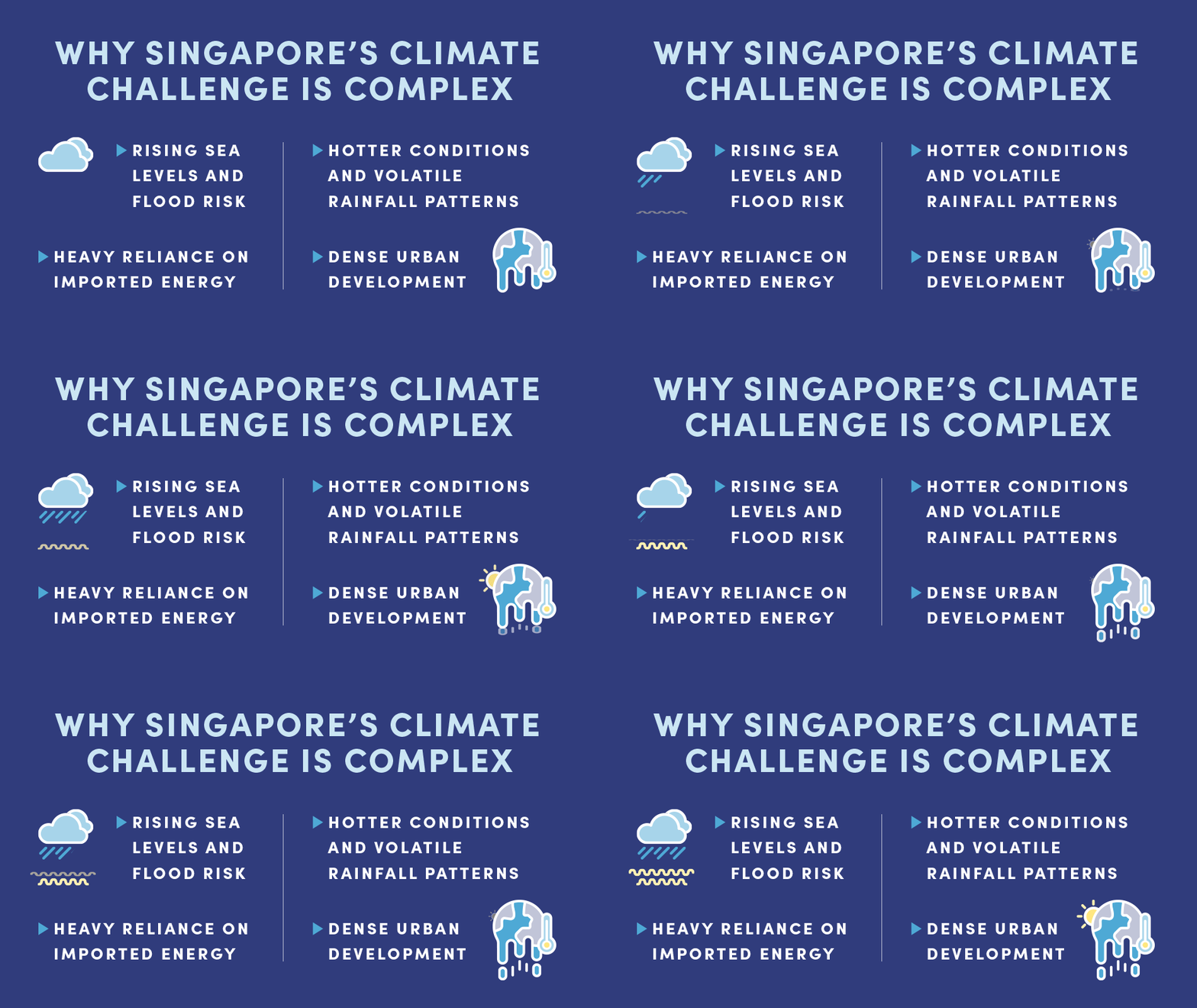
Climate change is already reshaping the conditions in which economies operate. In Singapore, the . Rainfall patterns are becoming more volatile. Sea levels are rising and could increase by , heightening the risk of coastal flooding.

Singapore faces these pressures despite contributing only 0.1 per cent of global greenhouse gas emissions. As a densely populated, low-lying island, it is disproportionately exposed, with infrastructure, public health and economic stability all at stake.
Deploying renewable energy at home presents its own challenges. Unlike many countries, Singapore has .
These realities define both the scale of the challenge and the rationale behind Singapore’s pragmatic approach.

MAKING EVERY SURFACE COUNT
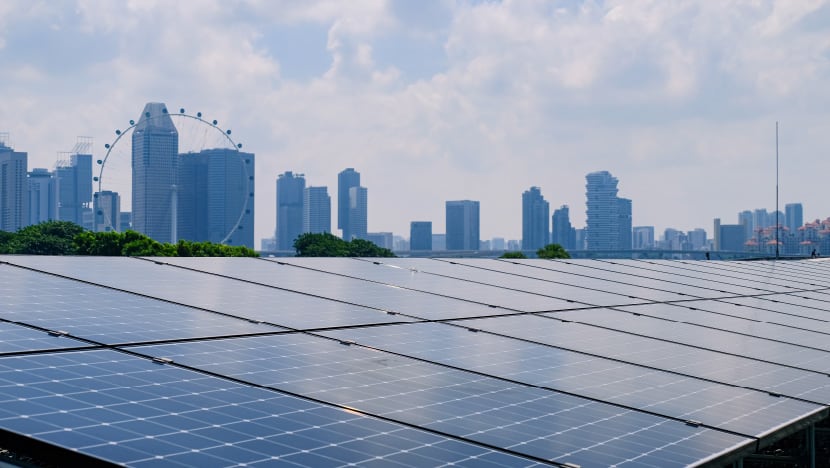
Singapore’s location near the equator means it receives strong sunlight year-round, but land constraints limit large-scale solar deployment. The response has been to use existing surfaces more effectively by installing solar systems across rooftops, reservoirs and industrial spaces to maximise available areas.
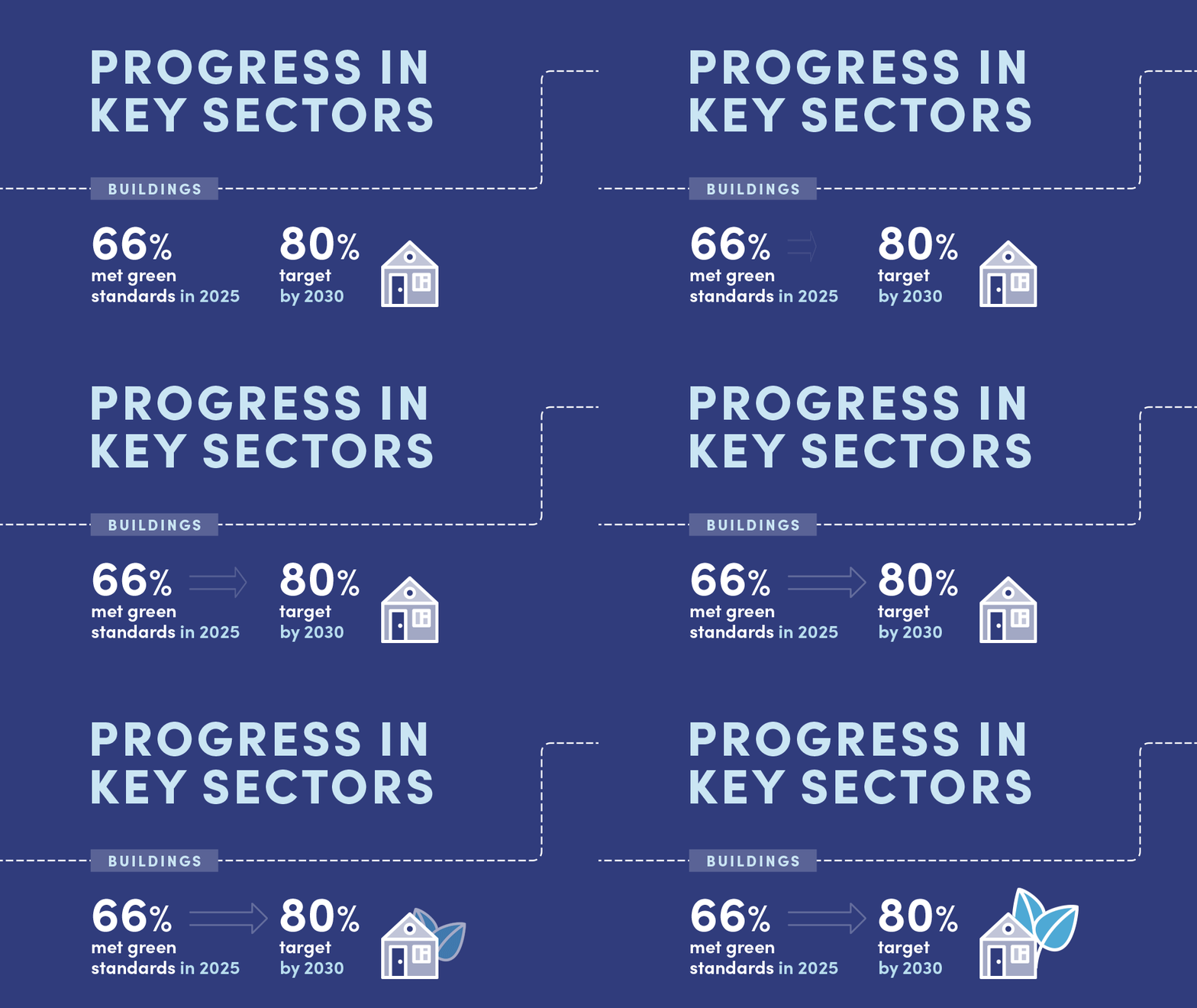
Solar remains Singapore’s most viable domestic renewable energy source and its capacity has grown steadily. As Singapore has reached its deployment target of 2 gigawatt-peak (GWp) ahead of schedule, the target has since been – enough to power around half a million households each year.
Projects such as have brought panels to various HDB blocks across Singapore. In industrial estates, initiatives like extend energy generation across rooftops and vacant land.
, such as the installation at Tengeh Reservoir, demonstrate how water bodies can be harnessed without competing for scarce land resources. At about 60GWp, the Tengeh system spans around 45 hectares – about one-third of the reservoir’s surface – and comprises more than 120,000 solar panels. The energy generated supports PUB’s water treatment operations and reduces carbon emissions by around 32 kilotonnes a year, equivalent to taking about 7,000 cars off the road.
LOOKING BEYOND SOLAR
Even with widespread deployment, however, solar can meet only a portion of Singapore’s electricity demand. This underscores the need to look beyond existing options to secure energy transition over the longer term.
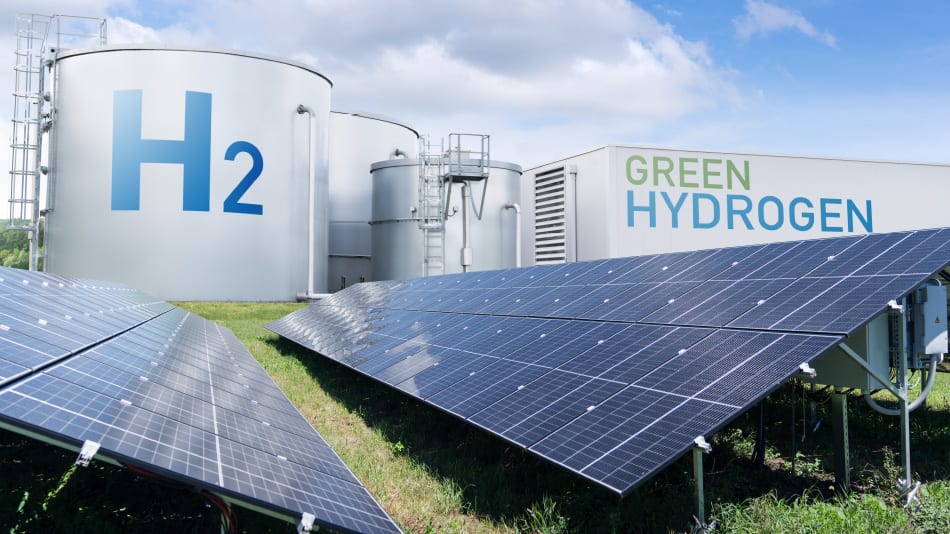
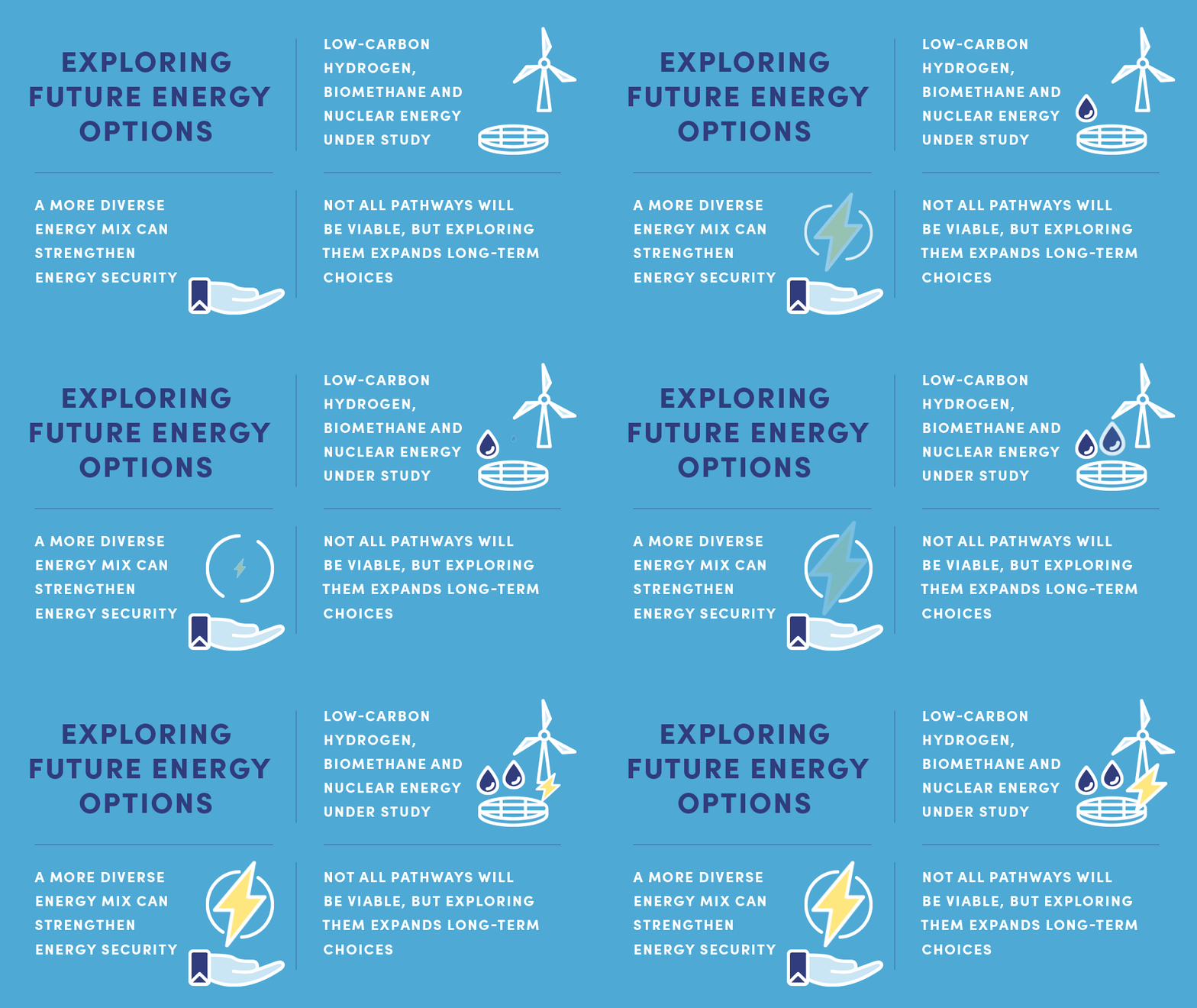
Singapore is also exploring – including its import, storage and use in power generation and industry – as well as technologies such as carbon capture, utilisation and storage.
In addition, it is assessing other options to diversify its future energy mix. These include , which is being piloted for potential use in the power sector, and , which are under longer‑term study to evaluate their safety, viability and suitability in Singapore.
KEEPING BUSINESSES AND WORKERS IN STEP
The shift to lower emissions is not cost-free. For energy-intensive sectors, it involves upgrading equipment, changing processes and meeting stricter reporting requirements – all while staying competitive. A range of schemes supports companies in improving energy efficiency and adopting more sustainable practices.
The co-funds equipment upgrades while expands access to loans for sustainability investments. The supports companies in meeting climate-related disclosure requirements and keeping pace with evolving supply chain expectations, including through workforce training.
Small- and medium-size enterprises can tap on the , which also equips workers with skills in areas such as .
GLOBAL CARBON MARKETS AS A COMPLEMENTARY TOOL
Beyond domestic action, companies can turn to international carbon markets. Under Singapore’s carbon tax framework, firms may use high-quality carbon credits to offset up to 5 per cent of taxable emissions, after taking steps to cut emissions within their own operations.
To ensure credibility, Singapore works with international partners through the Coalition to Grow Carbon Markets and has signed bilateral implementation agreements with host countries to uphold robust standards. This gives businesses greater confidence while supporting the development of trusted global carbon markets.
PREPARING FOR A CHANGING CLIMATE
Cutting emissions matters – but it will not eliminate all risks. Some climate effects are already locked in and will persist regardless of future emissions. Adaptation means preparing for that reality.
In 2026, designated as the Year of Climate Adaptation, Singapore is developing its inaugural . Built around heat resilience, flood protection and coastal defence, as well as water and food security, the plan sets out a long-term agenda to build a climate-ready nation.
THE WORK AHEAD
Singapore’s climate challenge is shaped by both exposure and constraint. Limited energy options, rising physical risks and a highly open economy make the task more complex.
Progress is under way across multiple fronts – from expanding solar deployment and studying future energy sources to supporting businesses and workers through the transition and investing in climate adaptation.
Singapore’s approach is pragmatic, forward-looking and long-term, recognising that managing climate change will require sustained effort across government, businesses and society.